
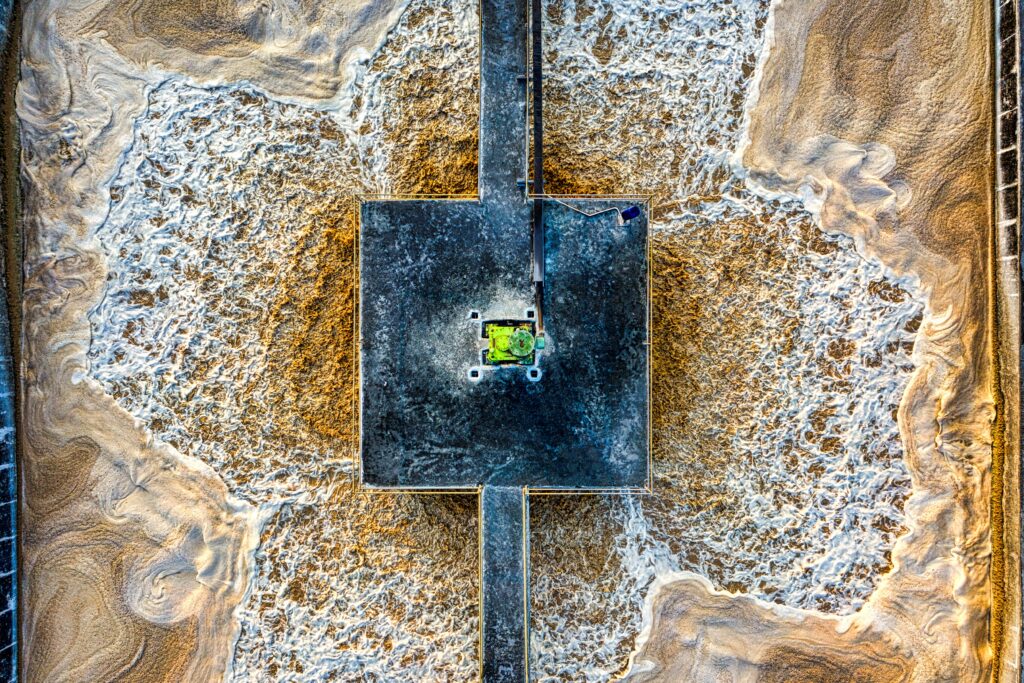
A technical review on macroporous adsorption mechanisms, process flow integration, regeneration efficiency, and sustainable high-COD wastewater treatment.
Chemical Oxygen Demand (COD) is a critical parameter measuring the total amount of oxygen required to chemically oxidize organic compounds in wastewater. High COD concentrations in industrial effluents—such as those from textile, pharmaceutical, petrochemical, and food processing facilities—can severely damage aquatic ecosystems and violate strict environmental discharge standards.
Conventional biological treatment methods often fail to reduce COD levels to compliant thresholds when effluents contain refractory (non-biodegradable) organics or toxic aromatic compounds. Consequently, utilizing specialized selective macroporous adsorbent resins provides a modern physical-chemical solution to target and remove dissolved organic molecules before discharge or water reuse.
Adsorbent resins engineered with macroporous polymeric matrices capture organic compounds through van der Waals forces, hydrophobic interactions, and physical entrapment within microscopic pore structures. This technology offers a far superior alternative to traditional media such as activated carbon.
Saturates rapidly and is difficult to fully regenerate on-site. Generates secondary solid waste (spent carbon) and carries a high risk of shedding fine particles that contaminate filtrate quality.
Engineered with controlled pore structures and high surface area, allowing repeated in-situ regeneration. Free from fine particle shedding and exceptionally resistant to chemical and thermal degradation.
In practical applications, high-performance media such as TFI-TWL015 Adsorbent Resin are manufactured as precision spherical beads to maximize mass transfer area while preventing excessive pressure drop across operational columns.
To maximize COD removal efficiency, the adsorbent resin vessel must be strategically positioned within the industrial wastewater treatment scheme:
*Note: At Stage 3, the column periodically undergoes chemical regeneration when the resin bed approaches saturation.
Efficiently traps complex recalcitrant molecules such as phenols, benzenes, surfactant derivatives, and pesticides that withstand conventional biological processes.
Adsorbs large synthetic dye molecules and humic substances, converting colored or turbid effluent into high-clarity purified water.
Unlike single-use media, specialized resins like TFI-TWL015 can be repeatedly regenerated using mild alkaline, acidic, or solvent solutions, drastically reducing replacement costs.
Eliminates organic fouling risks on Reverse Osmosis (RO) membranes within Zero Liquid Discharge (ZLD) systems by stripping trace COD prior to membrane filtration.
Seamlessly integrates across diverse plant footprints, ranging from compact skid/cartridge units to large-scale multi-column industrial systems.
Replace high-maintenance activated carbon and address persistent high COD levels with high-capacity macroporous adsorbent resins.
Explore TFI-TWL015 Adsorbent Resin Specifications →Blog Learning Causes of Sub-Optimal Chemical Dosing in Water…
Blog Learning Optimizing Industrial Flocculation with TFI Chemical Optimizing…
Blog Learning About WTP/WWTP Coagulants with TFI Chemical Selecting…
Blog How to Handle Industrial RO Issues with TFI…