
A detailed technical review of mechanisms, classification, operational processes, and strategic industrial applications.
Industrial wastewater treatment requires high operational efficiency to satisfy strict environmental discharge mandates while supporting zero liquid discharge (ZLD) and water reuse programs. Among physical-chemical separation processes, Ion Exchange (IX) Resins serve as an effective method for binding and removing targeted dissolved ionic impurities down to trace concentrations.
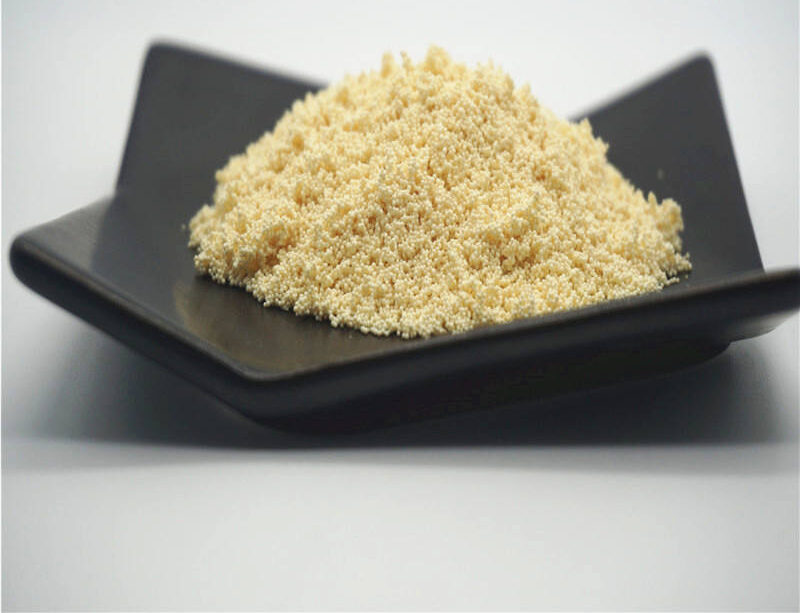
An ion exchange resin consists of an insoluble polymeric matrix—commonly cross-linked polystyrene-divinylbenzene (DVB)—functionalized with fixed ionic functional groups. These groups exchange counter-ions with target dissolved species in wastewater on a stoichiometric basis.
Feature negatively charged functional groups (e.g., sulfonic -SO3–) that selectively capture cations such as Ca2+, Mg2+, Fe2+, Cu2+, and Pb2+.
Feature positively charged functional groups (e.g., quaternary ammonium) designed to bind anions such as Cl–, SO42-, NO3–, and organic acids.
Effluents from electroplating and mining facilities contain toxic heavy metals. Specialized chelating resins trap copper (Cu2+), nickel (Ni2+), hexavalent chromium (Cr6+), and lead (Pb2+) down to sub-ppm levels.
To produce boiler feed water or high-purity process water, combining Strong Acid Cation (SAC) and Strong Base Anion (SBA) resins removes virtually all dissolved inorganic salts.
Hardness ions cause scale formation in heat exchangers. Sodium-form cation resins exchange Na+ for hardness ions like Ca2+ and Mg2+, preventing equipment fouling.
Resins enable plants to concentrate and recover valuable precious metals such as gold (Au), silver (Ag), and platinum (Pt) from spent process baths prior to discharge.
Macroporous anion resins bind dissolved organic molecules (e.g., humic acids, synthetic dyes) and targeted nitrates (NO3–) that resist conventional biological treatment.
High Total Suspended Solids (TSS), oils, and strong oxidants can foul ion exchange beds. Protect your system and extend resin life with engineered specialty chemicals.
Explore TFI Wastewater Chemicals →Blog Learning Causes of Sub-Optimal Chemical Dosing in Water…
Blog Learning Optimizing Industrial Flocculation with TFI Chemical Optimizing…
Blog Learning About WTP/WWTP Coagulants with TFI Chemical Selecting…
Blog How to Handle Industrial RO Issues with TFI…