A comprehensive guide on scale formation causes, impacts on piping systems, and effective cleaning solutions using specialized chemicals from TFI Chemical.
Scale buildup in water piping systems is a common issue in both industrial and domestic sectors. This deposit formation is generally caused by the precipitation of minerals such as calcium carbonate (CaCO₃), magnesium, and silica, which settle over time due to changes in water temperature, pH, and pressure.
Mechanical cleaning is often inefficient and risks damaging the pipes, especially along elbows or small-diameter lines. Therefore, using specialized chemical descalers from TFI Chemical serves as an efficient chemical solution to safely dissolve scale deposits without degrading the pipe material.
This article discusses the mechanisms of scale formation, the hazards of scale buildup, and step-by-step application procedures using TFI Chemical’s specialized products.
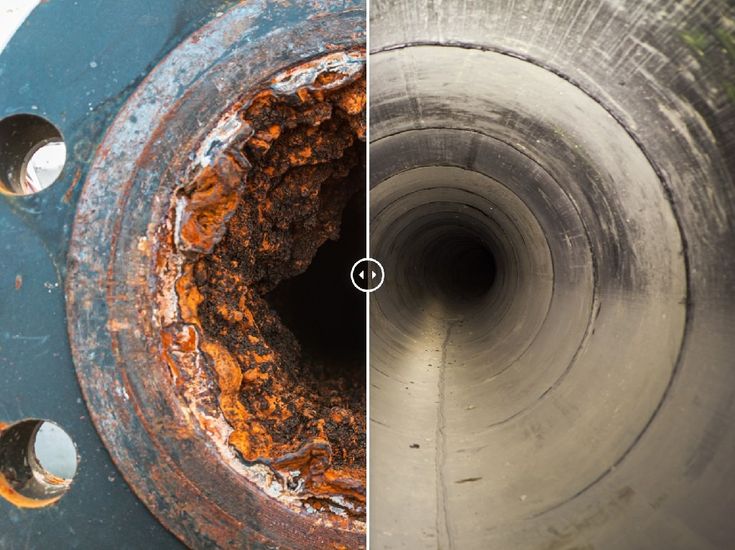
Gradual scale buildup narrows the internal diameter of pipes, restricts water flow, and increases the workload on operational pumps.
Minerals like calcium and silica form dense crystalline structures that adhere strongly to the inner pipe walls, rendering plain water flushing or simple physical cleaning ineffective.
Operational implication: An inhibited acid descaling agent is required to chemically dissolve scale without attacking the underlying metal substrate.
Unattended scale deposits can trigger hidden corrosion beneath the scale layer, potentially leading to severe, undetected pipe leaks.
TFI Chemical’s descalers contain high-performance corrosion inhibitors that rapidly react to dissolve calcium deposits and oxides while remaining safe for iron, copper, and stainless steel pipe substrates.
Using recirculation methods (CIP), TFI chemicals reach deep internal sections and pipe bends without requiring complete disassembly of the piping network.
Operational implication: Significantly reduces downtime and labor maintenance costs.
In addition to dissolving scale, TFI Chemical’s treatment sequence includes neutralization and passivation steps to form a protective film on internal surfaces, preventing rapid re-scaling.
| Cleaning Method | Pros & Cons | Primary Outcome |
|---|---|---|
| Mechanical Cleaning (Scraping/Pigging) | Requires system dismantling; risks scratching or damaging pipe walls; difficult to navigate tight bends. | Only dislodges scale in straight runs; does not fully dissolve mineral deposits. |
| TFI Chemical Descaling (CIP Method) | Highly efficient; completely dissolves scale without pipe damage; saves time with zero disassembly. | Restores full pipe diameter, dissolves calcium/silica deposits, and extends equipment lifespan. |
| Plain Water Flushing | Simple to execute, but entirely incapable of dissolving hardened mineral scale. | Only removes loose mud or suspended soft debris. |
Drain the spent chemical solution and flush the system thoroughly with clean water. Apply TFI Chemical’s neutralizing agent to restore internal pH to neutral levels before returning the system to normal service.
Untreated scale in water piping systems leads to significant financial losses due to reduced system efficiency and structural damage. Utilizing specialized descaling chemicals from TFI Chemical offers an effective, rapid, and safe solution to dissolve mineral deposits without harming pipe materials.
Routine maintenance following proper procedures and backed by TFI Chemical’s high-quality chemicals ensures optimal water flow, energy savings, and an extended operational lifespan for your piping system.
Chemical concentration, circulation time, and product selection must be tailored to the pipe metallurgy and scale thickness. Always consult with the TFI Chemical technical team before commencing the descaling process.
Mercury Removal from PVC Wastewater | TFI-CLS047 Chelating Resin…
bLOG Chelating Resin for Heavy Metal Removal Share Post…
INSIGHT How to Clean Limescale in Water Pipes Using…
Blog Learning Causes about Lead (Pb) and Sulfate (SO₄²⁻)…