
Technical solutions for managing dissolved heavy metal ions, optimizing pH efficiency, and restructuring metal extraction systems with specialized resins.
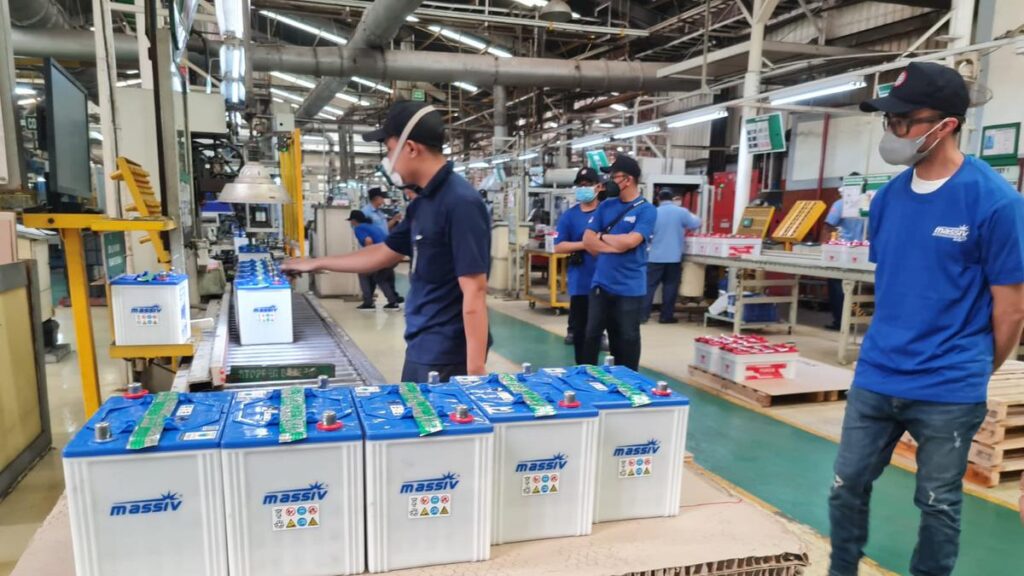
Battery manufacturing and lead-acid battery recycling facilities face a constant challenge: Dissolved Lead (Pb²⁺), Nickel (Ni²⁺), and Cadmium (Cd²⁺) are invisible micro-pollutants that pose severe regulatory risks if discharged above legal environmental thresholds.
Because battery effluent is highly acidic (pH < 2), metal ions remain extremely stable in solution. As a result, conventional precipitation methods often fail to reduce metal concentrations down to compliant trace levels.
Many treatment facilities still rely heavily on dosing excessive lime or caustic soda. Here is how conventional approaches compare to modern selective technologies:
Generates massive volumes of hazardous chemical sludge. Often leaves residual dissolved metal ions at high ppm levels due to hydroxide solubility limits.
Uses target-specific media such as TFI-CLS017 to capture dissolved heavy metals down to ppb levels without creating additional toxic sludge volume.
To prevent premature bed saturation and lower chemical consumption, system integration should follow this multi-stage separation scheme:
Implementing selective heavy-metal extraction media delivers immediate, tangible benefits to industrial plant operations:
Eliminate persistent dissolved heavy metals precision-wise while dramatically reducing operational expenses.
Explore TFI-CLS017 Product Specifications →Blog Learning Causes of Sub-Optimal Chemical Dosing in Water…
Blog Learning Optimizing Industrial Flocculation with TFI Chemical Optimizing…
Blog Learning About WTP/WWTP Coagulants with TFI Chemical Selecting…
Blog How to Handle Industrial RO Issues with TFI…